Request a Quote Today!
Request a Quote Today!
Blog
Hose Bibs and Outdoor Spigots: When Webster Homeowners Should Repair vs. Replace
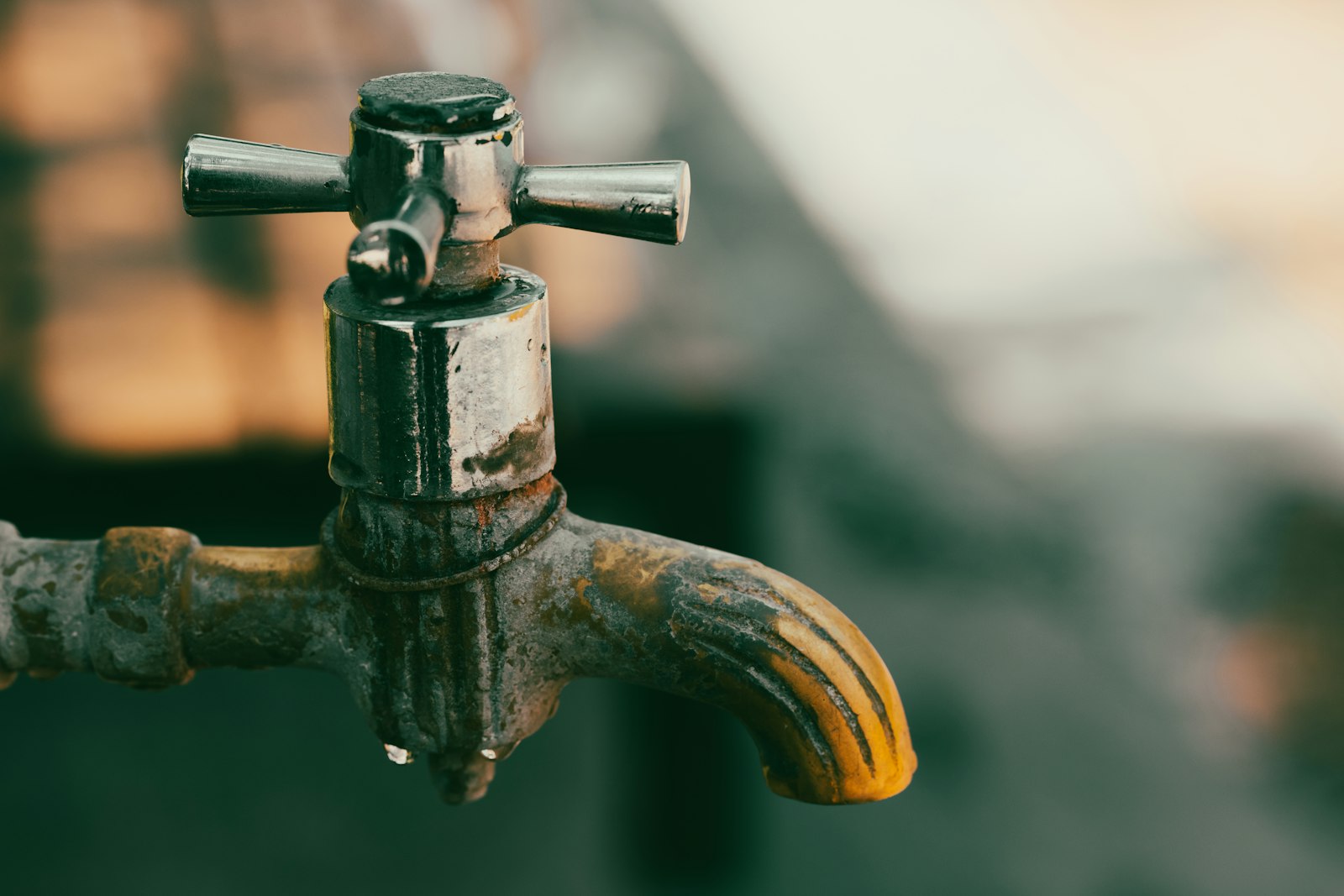
Hose bibs are one of those plumbing fixtures that nobody thinks about until something goes wrong. You go out in the spring, turn the handle, and either water comes out the way it should, or it doesn’t. When it doesn’t, the question becomes: do you repair this thing, or replace it? In Webster and Rochester, NY, where freeze cycles take a toll on every exterior fixture year after year, that decision is one we help homeowners make every spring.
At Morelli Plumbing LLC, we’ve been doing outdoor plumbing work in Monroe County since 1978, and we’ve installed and replaced more hose bibs than we can count. Here’s how we think about repair vs. replacement, and what you should know before you decide.
If you’ve already got a hose bib acting up, call 585-703-1006 or request a quote online and we’ll take a look.
How a Hose Bib Actually Works
A hose bib, or outdoor spigot, is a valve at the end of a pipe that runs through your exterior wall. There are two main types: standard hose bibs, where the valve is right at the wall, and frost-free or freeze-proof hose bibs, where the valve is actually located inside the home several inches behind the exterior wall, with a long stem that connects to the outdoor handle.
Frost-free models are designed for cold climates like Rochester because they shut the water off inside the heated envelope of the house, preventing the section of pipe in the cold wall cavity from holding standing water through winter.
Signs Your Hose Bib Just Needs a Repair
Some hose bib problems are simple wear-and-tear issues that don’t require a full replacement. These include:
- A slow drip from the spout when the handle is fully closed (usually a worn washer or packing)
- A handle that turns but feels stiff or loose
- A small leak where the hose connects to the spigot threads
- Reduced flow caused by sediment buildup
For these issues, replacing internal washers, packing, or the stem assembly often restores the spigot to working condition for many more seasons. A repair is usually faster, less expensive, and minimally invasive.
Signs It’s Time to Replace the Whole Spigot
Some problems point to a fixture that’s reached the end of its useful life. Replace the hose bib if you see any of these:
- A cracked or split spigot body, often the result of water freezing inside
- Water dripping inside the wall or basement when the spigot is on outside
- Severe corrosion on the body or fittings
- A standard (non-frost-free) spigot in a Rochester home where freeze damage is recurring
- An old, undersized spigot that can’t deliver enough flow for modern needs
- Multiple repairs already done on the same fixture
If you see water inside your wall when the outdoor spigot is on, the pipe behind the wall is cracked. That’s a replacement, and it needs to happen before any more water gets into your framing and insulation.
Why Frost-Free Spigots Are Worth the Upgrade in Rochester
If you have a standard hose bib that has frozen and cracked even once, the right move is to upgrade to a frost-free model when you replace it. The added cost over a basic spigot is modest, and the protection you get from a fixture designed specifically for our winters is significant. Frost-free spigots, when installed correctly with the body angled slightly downward to allow drainage, can go decades without freeze-related failure.
DIY vs. Professional Replacement
Some homeowners are comfortable swapping out a basic hose bib themselves, but a few specifics make this job a frequent DIY mistake. The new spigot needs to seat correctly against the exterior wall, the threads on the supply pipe need to be in good condition, and on a frost-free model the stem length must match the wall thickness. Get any of those wrong and you can end up with a leak inside the wall that doesn’t show up until winter.
Our outdoor plumbing services include hose bib replacement using the right materials and proper installation technique, with a warranty on workmanship.
How We Approach a Hose Bib Job
When we replace a hose bib at a Webster or Rochester home, we typically:
- Shut off water at the indoor valve and drain the supply line
- Remove the old fixture and inspect the supply pipe for damage
- Install a frost-free spigot with the correct stem length for your wall
- Pitch the body slightly downward so water always drains
- Use thread sealant rated for potable water
- Test the new fixture under full pressure before we leave
It’s a routine job, but doing it right is what keeps the fixture working for the next 20 to 30 winters.
Hose Bib Repair or Replacement in Rochester, NY
Whether your spigot just needs a quick repair or a full upgrade to a frost-free model, our team handles it cleanly and quickly. We’ve been the trusted plumber for homeowners in Webster, Rochester, and Monroe County since 1978.
Call 585-703-1006 or request a free quote online.
Maintenance Tips to Extend the Life of Your Hose Bibs
A few small habits go a long way toward keeping your outdoor faucets working well year after year:
- Disconnect hoses every fall, no exceptions
- Close indoor shutoff valves and drain the line before the first hard freeze
- Inspect for slow drips at the start and end of every season
- Use a fresh hose washer at the start of each spring
- Don’t over-tighten the handle when shutting off (this wears the packing faster)
A Plumber Who Knows Rochester Winters
Spigots in our area face conditions that homeowners in milder climates simply don’t deal with. The right fixture, installed the right way, holds up. Morelli Plumbing has spent decades figuring out what works in this region. Read what our customers say about us, then give us a call.
Morelli Plumbing LLC
Serving Webster, Rochester, and Monroe County, NY since 1978.
Phone: 585-703-1006
Email: Morelliplumbing@yahoo.com
Request a Quote: morelliplumbingllc.com/plumbing-assistance
‹ Back
Recent Posts
-
Is Your Commercial Plumbing Outdated? Signs It's Time for a System Upgrade
September 13, 2026
-
Choosing the Right Water Heater for Your New Construction Home
September 9, 2026
-
-
-




Website by