Request a Quote Today!

Request a Quote Today!
Blog
Frozen Pipes Inside Your Home: The Vulnerable Spots Rochester Homeowners Miss
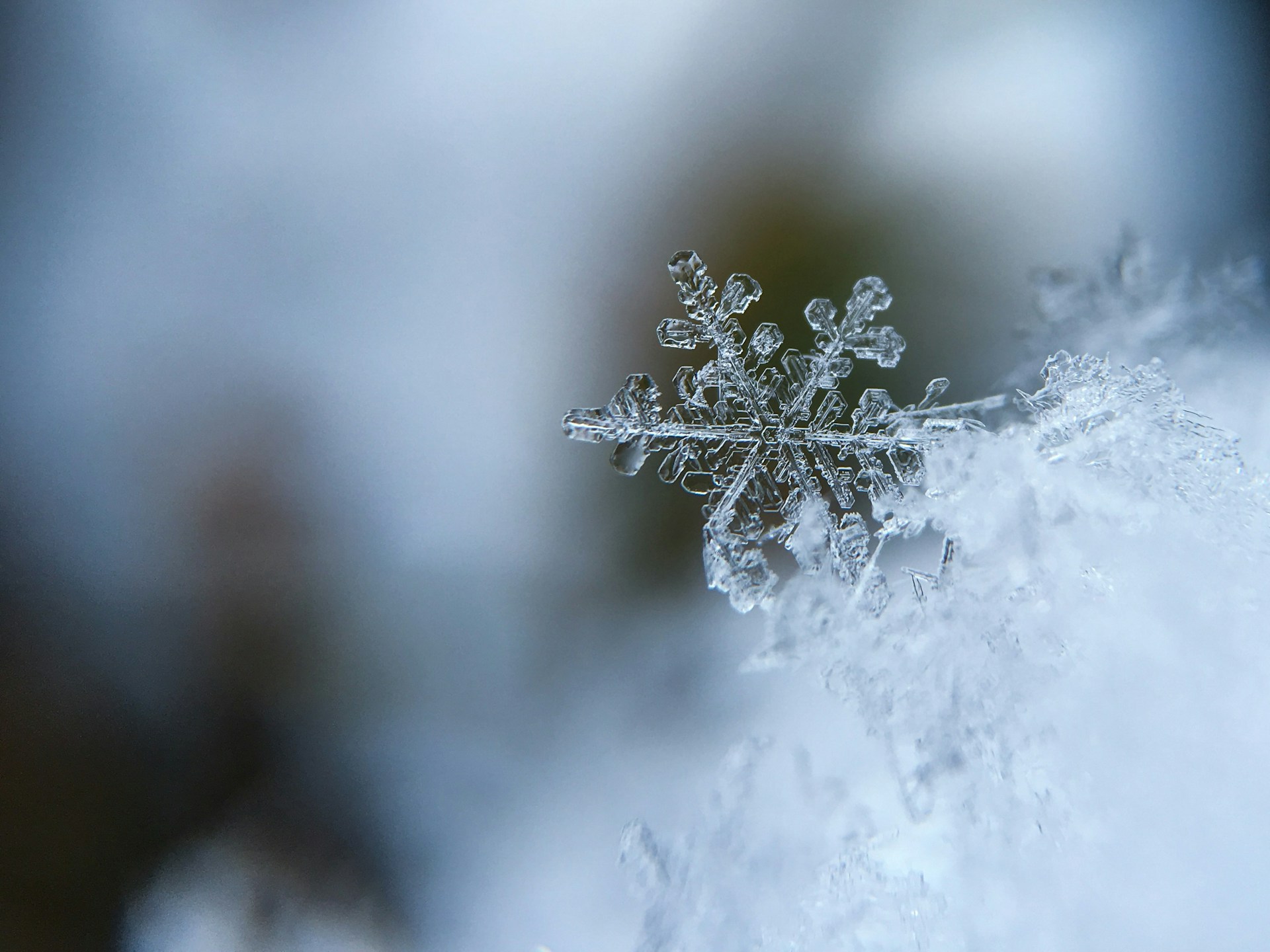
Most Rochester homeowners know to disconnect the garden hose before winter. Far fewer think about the pipes running through the garage wall, the crawl space under the addition, or the back of a kitchen cabinet on an exterior wall. Those are the lines that burst in January, and they do the most expensive kind of damage, because when an interior pipe fails it empties into your house rather than onto the lawn.
At Morelli Plumbing LLC, winterization has been part of our service for Webster and Rochester, NY homeowners since 1978. We insulate vulnerable pipes, protect outdoor plumbing, and prepare homes for exactly the kind of cold our region delivers every year. Here's where interior pipes actually freeze and what it takes to protect them.
Want your home protected before the cold? Call 585-703-1006 or contact us online.
Where Interior Pipes Actually Freeze
Freezing isn't really about how cold it gets outside. It's about which pipes are sitting in unheated or poorly insulated space when the temperature drops. In most Rochester homes, that means:
- Pipes running through an attached garage, especially along shared walls
- Supply lines in crawl spaces and under additions built over unheated space
- Plumbing inside exterior walls, where insulation is thin or was never installed properly
- Unheated or partially heated basement corners, particularly near rim joists and vents
- Lines feeding a laundry room, utility sink, or bathroom on an outside wall
These are the spots that come through a mild winter without trouble and then fail during the first extended cold snap. Knowing which ones exist in your particular house is most of the work.
Why a Freeze Does So Much Damage
Water expands as it freezes, and a closed pipe gives that expansion nowhere to go. The pressure builds until the pipe wall or a fitting gives way. What surprises people is that the break often isn't discovered right away, because while everything is still frozen, nothing leaks. The damage arrives on the thaw, when the ice melts and water pours out of the crack, sometimes for hours before anyone notices. That delay is why interior freeze damage so often turns into ruined drywall, flooring, and ceilings rather than a simple pipe repair.
Insulation Is the First Line of Defense
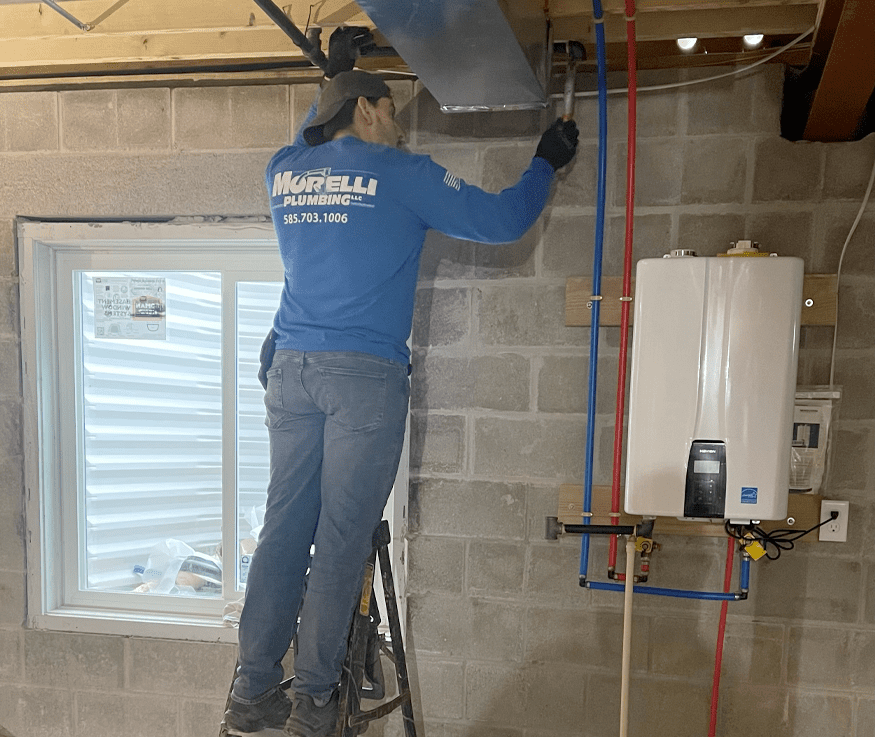
The most effective protection for interior pipes is straightforward: keep them from reaching freezing temperature in the first place. Insulating vulnerable pipes is a core part of the winterization work we do, and it addresses the problem at its source rather than relying on you to react when a cold front arrives. Proper pipe insulation on the lines running through unheated space, combined with attention to the gaps and drafts that let cold air reach them, dramatically reduces the risk. It's modest work with an outsized payoff, and it lasts for years once it's done correctly.
The Pipes You Can't See
The hardest part of interior freeze protection is that the most vulnerable lines are usually hidden. A pipe inside an exterior wall or above a finished ceiling isn't something a homeowner can inspect, which is why these problems tend to be discovered only after a failure. Experience is what closes that gap. Having worked on homes throughout Webster, Rochester, and Monroe County for decades, we know how houses in this area were built and where the plumbing tends to run. That lets us identify the at-risk lines in your home and address them, rather than waiting for one of them to announce itself.
Winterization Services in Rochester, NY
We insulate vulnerable pipes, protect outdoor plumbing, and prepare your whole home for the freeze. Explore our winterization services, serving Webster, Rochester, and Monroe County since 1978.
Call 585-703-1006 or contact us online.
What to Do During a Deep Freeze
Even a well-prepared home benefits from a little attention during an extended cold stretch. Keeping the heat on at a steady temperature rather than setting it back sharply overnight helps, as does opening cabinet doors under sinks on exterior walls so warm room air can reach the supply lines. If you have a section of plumbing you already know is marginal, letting a faucet on that line run at a trickle keeps water moving and relieves pressure. None of this replaces proper insulation, but it's a sensible short-term measure when the forecast turns severe and the goal is simply getting through the week without a failure.
Don't Forget the Outdoor Connection
Interior and exterior plumbing aren't separate systems, and the line feeding an outdoor faucet is a good example. That pipe runs from inside your heated space out through an exterior wall, and if it isn't drained and shut off correctly, the freeze can travel back inside the wall rather than stopping at the spigot. This is why a complete winterization handles both ends: draining and securing hose bibs, garden taps, outdoor sinks, and irrigation lines, while also protecting the interior runs that feed them. Addressing one without the other leaves an obvious gap.
Why Prevention Wins Easily Here
Winterization is one of the clearest value propositions in home maintenance. The work is modest and predictable, done on a comfortable schedule before the weather turns. The alternative is a burst pipe inside a wall, which means emergency service at emergency rates, plumbing repair, and then the far larger cost of drying out and rebuilding whatever the water reached. Homeowners who have been through it rarely skip winterization again. The math is straightforward enough that it's worth handling before you have the firsthand experience to motivate you.
A Whole-Home Approach
When we winterize a home, we look at the complete picture rather than ticking off the obvious items. That means insulating the vulnerable pipes, draining and securing outdoor plumbing, confirming your water heater is ready for the heavier demand that winter brings, and checking drainage so ice blockages don't develop. A single overlooked line is all it takes to create an expensive problem, so the value is in the thoroughness. By the time we're finished, the question of whether something got missed simply isn't hanging over the season, and you can stop thinking about your plumbing until spring.
A Local Plumber Who Knows Our Winters
Morelli Plumbing is a second-generation, family-owned business that has spent decades learning exactly what a Rochester winter does to unprotected plumbing. We know where the pipes run in local homes, we know which ones fail, and we protect them before the cold finds them. Read what our customers say, then give us a call to get on the schedule.
Morelli Plumbing LLC
Serving Webster, Rochester, and Monroe County, NY since 1978.
Phone: 585-703-1006
Email: Morelliplumbing@yahoo.com
Contact Us: morelliplumbingllc.com/contact
‹ Back
Recent Posts




Website by